
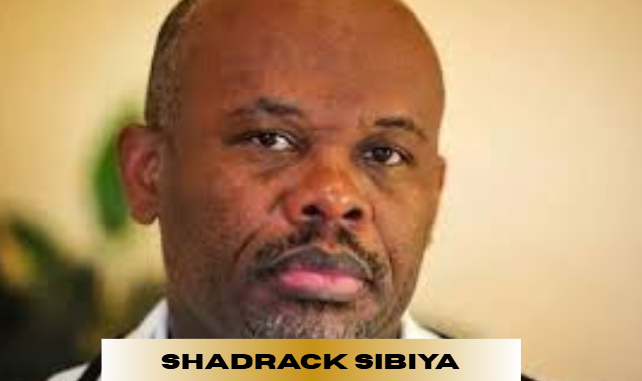
If you’ve recently searched online for Shadrack Sibiya biography: wife, home language, children, qualification, full names, salary, chances are you’re trying to understand the man behind the headlines.
South Africa’s policing leadership has produced many strong personalities, but few have attracted as much attention — both for achievements and controversies — as Lieutenant-General Shadrack Sibiya.
From starting as a young student constable to becoming a top crime-detection authority, his story is layered with ambition, courtroom battles, reinstatements, and high-profile investigations.
In this detailed and reader-friendly biography, we’ll explore everything you should know — his background, education, family life, salary discussions, career rise, controversies, and the latest news.
Let’s dive in.
Shadrack Sibiya Biography
| Detail | Information |
|---|---|
| Full Names | Shadrack Sibiya |
| Year of Birth | 1967 |
| Age | Late 50s (approx.) |
| Birthplace | Johannesburg, South Africa |
| Nationality | South African |
| Home Language | Zulu |
| Profession | Police Officer |
| Rank | Lieutenant-General |
| Wife | Helen Sibiya (Second Wife) |
| Former Spouse | Christina Bonang Mgwenya |
| Children | Not publicly disclosed |
| Qualification | Police Academy & Investigative Training |
| Salary | Not publicly disclosed |
| Known Role | Deputy National Commissioner – Crime Detection |
Who Is Shadrack Sibiya?
When discussing Shadrack Sibiya biography: wife, home language, children, qualification, full names, salary, the first question many people ask is straightforward:
Who exactly is Shadrack Sibiya?
Shadrack Sibiya is a senior South African law enforcement official who rose through decades of service to become Deputy National Commissioner for Crime Detection within the South African Police Service (SAPS).
As one of the five deputy national commissioners, he oversaw critical detective operations nationwide — a role that placed him at the center of complex criminal investigations.
His career has combined operational policing, anti-corruption investigations, courtroom battles, and later political controversy.
Early Life and Background
Birth and Childhood
Understanding Shadrack Sibiya biography: wife, home language, children, qualification, full names, salary begins in Johannesburg.
Born in 1967, he grew up during a time of major political and social change in South Africa.
Many officers from his generation entered policing not just as employment but as a way to contribute to rebuilding institutions.
Home Language and Cultural Identity
One of the most frequently searched questions online is:
What is Shadrack Sibiya home language?
His home language is Zulu.
Language often plays a powerful role in leadership within community policing because it helps officers connect deeply with citizens.
Zulu heritage also shaped his communication style and cultural grounding.
Education and Qualifications
A major highlight of Shadrack Sibiya biography: wife, home language, children, qualification, full names, salary is his long professional training journey.
Police Academy Training
He began his policing career as a student constable at Hammanskraal Police Academy.
Training there involved:
-
Criminal investigation fundamentals.
-
Physical policing discipline.
-
Legal procedures.
Rather than traditional university academic publicity, much of his expertise came from specialised investigative training programs.
Professional Development
Over nearly four decades, he gained experience in:
-
Detective operations.
-
Commercial crime investigations.
-
Anti-corruption enforcement.
-
Intelligence coordination.
Experience sometimes becomes the strongest qualification.
And in Sibiya’s case, field work became his classroom.
Entry Into Policing Career
In his early twenties, he officially joined SAPS as a student constable.
Early Assignments
He served within the detective branch in Knysna.
These early years exposed him to:
-
Case file preparation.
-
Witness interviews.
-
Evidence gathering.
Detective work demands patience — something colleagues later said defined his leadership style.
Rise Through SAPS Ranks
Few careers rise without challenges.
Sibiya steadily climbed through operational divisions before moving into elite investigative structures.
The Hawks Era
He became a senior investigator within the elite anti-crime unit known as the:
Directorate for Priority Crime Investigation — popularly called the Hawks.
There he:
-
Led Gauteng provincial operations.
-
Managed commercial crimes investigations.
-
Reached the rank of Brigadier.
Handling organized crime cases built his national reputation.
Dismissal and Labour Court Reinstatement
Career setbacks often define public figures.
In 2015, he was dismissed from SAPS following allegations linked to the illegal rendition of Zimbabwean nationals.
However, the Labour Court later ruled the dismissal procedurally and substantively unfair.
What Happened Next?
He was reinstated.
That ruling became one of the most discussed legal moments in his career.
It reinforced debates around disciplinary fairness within policing institutions.
Work Outside SAPS — City of Johannesburg
After leaving SAPS during that period, he joined the:
City of Johannesburg administration.
Role in Anti-Corruption Investigations
He headed the Group Forensic and Investigation Services (GFIS).
Responsibilities included:
-
Investigating corruption.
-
Financial misconduct inquiries.
-
Municipal fraud detection.
Many observers believed this role sharpened his forensic investigative expertise.
Return to National Policing
In 2023, he returned to SAPS.
And not quietly.
He was promoted to Lieutenant-General and appointed Deputy National Commissioner for Crime Detection.
That position placed him in charge of detective services nationally.
Responsibilities Included:
-
Supervising specialised units.
-
Overseeing task teams.
-
Coordinating intelligence investigations.
Latest News and Suspension
Recent headlines have strongly shaped searches for Shadrack Sibiya biography: wife, home language, children, qualification, full names, salary.
He was suspended amid allegations connected to alleged relationships with criminal cartel figures.
Two names frequently mentioned in reports include:
-
Vusimuzi Matlala.
-
Katiso Molefe.
The matter involved parliamentary testimony, investigations, and searches linked to sensitive policing disputes.
Court proceedings and state enquiries have continued examining the situation.
It remains an ongoing legal and administrative process.
Shadrack Sibiya Wife and Marriage
Family life often stays private for senior law enforcement officials.
Current Wife
His second wife is Helen Sibiya.
She has largely remained outside the public spotlight.
Former Wife
His former spouse is Christina Bonang Mgwenya, a former senior SAPS official.
Professional overlap within policing circles meant both understood the demands of law enforcement careers.
Shadrack Sibiya Children
Public information regarding his children remains limited.
This privacy is common among senior police officers, especially those involved in organized crime investigations.
Protecting family security often becomes necessary.
Home Language and Cultural Influence
Language matters deeply in South African policing.
Zulu remains his primary home language.
Benefits included:
-
Better community engagement.
-
Strong regional connections.
-
Cultural credibility.
Communication builds trust — a key policing asset.
Salary Per Month
One of the biggest online searches connected to Shadrack Sibiya biography: wife, home language, children, qualification, full names, salary is income.
Is His Salary Public?
No.
His monthly salary has not been publicly disclosed.
However, deputy national commissioners typically receive government executive-level compensation packages.
These may include:
-
Housing benefits.
-
Transport allowances.
-
Pension contributions.
Exact figures remain confidential.
Leadership Style
Colleagues often described him as:
-
Investigative-focused.
-
Direct communicator.
-
Operationally experienced.
Detectives reportedly valued his case-analysis approach.
Major Career Challenges
Senior policing leadership rarely comes without controversy.
Challenges included:
-
High-profile investigations.
-
Legal disputes.
-
Media scrutiny.
Balancing law enforcement independence and political expectations is never simple.
Public Reputation
Public opinion remains divided.
Supporters say:
-
He understands organized crime deeply.
-
He is experienced in investigations.
Critics focus on allegations and ongoing enquiries.
Such division is common for figures in national security roles.
Interesting Facts About Shadrack Sibiya
-
Nearly four decades in policing.
-
Served detectives and anti-corruption units.
-
Experienced dismissal and reinstatement.
-
Worked both municipal and national investigations.
Few careers follow such dramatic arcs.
Lessons From His Career Journey
If there’s anything to learn from Shadrack Sibiya biography: wife, home language, children, qualification, full names, salary, it’s resilience.
Careers sometimes move forward — then backward — before rising again.
Key lessons:
-
Experience builds authority.
-
Legal systems can reshape careers.
-
Leadership invites scrutiny.
Conclusion
The story behind Shadrack Sibiya biography: wife, home language, children, qualification, full names, salary reflects the complexity of modern policing leadership in South Africa.
From a young constable to Lieutenant-General overseeing national detectives, his journey includes promotions, courtroom victories, controversies, and ongoing investigations.
Whether viewed through achievement or debate, his career continues to shape conversations around accountability and leadership within law enforcement.
Frequently Asked Questions (FAQs)
1. Who is Shadrack Sibiya wife?
His current wife is Helen Sibiya. He was previously married to Christina Bonang Mgwenya.
2. What is Shadrack Sibiya home language?
His home language is Zulu.
3. How much is Shadrack Sibiya salary per month?
His exact salary has not been publicly disclosed.
4. Does Shadrack Sibiya have children?
Details about his children remain private.
5. What qualification does Shadrack Sibiya have?
He trained through police academy programs and gained extensive investigative expertise through decades of policing service.
Leave a Reply